The legal edges of a handyman job
What a handyman in Ontario may not legally do, whatever their skill
A good handyman is the cheapest way to get a long list of small jobs done. Three kinds of work sit outside that arrangement in Ontario, not because of ability but because the province reserves them for licensed businesses and certified people. Knowing where the line is protects both of you.
Electrical: the business needs the licence, not the person
Only a Licensed Electrical Contractor may be hired to do electrical work in a home in Ontario. That is a business licence with a seven-digit ECRA/ESA number, and the Electrical Safety Authority notes it appears on vehicles, business cards and estimates. A certified electrician working on their own account still cannot be hired directly, and a general contractor is not licensed for it either.
The work also has to be reported to ESA through a notification of work filed before it starts, by whoever is doing it. Being asked to file that notification yourself is the first red flag on ESA's own list.
ESA lists another red flag that is worth reading carefully before hiring a handyman for electrical work, because it describes the trade exactly: a contractor who does more than electrical work, offering drywall, flooring, plumbing, snow removal or eavestrough cleaning alongside it.
Gas: a certified technician, employed by a registered contractor
Work on gas appliances and gas lines belongs to the Technical Standards and Safety Authority's regime. TSSA registers contractors in fields including natural gas and propane, and certifies the individuals who work on regulated equipment after they demonstrate competence.
That covers the jobs people most often ask a handyman about: a gas range, a gas dryer, a barbecue line. A registered contractor is responsible for compliance with the Technical Standards and Safety Act and its regulations, and TSSA publishes a way to find one.
Plumbing: a compulsory trade with a public register
Plumber is one of Ontario's compulsory trades, so the person doing it holds a Certificate of Qualification, a Provisional Certificate, or a registered training agreement as an apprentice. Skilled Trades Ontario runs a Public Register so anyone can confirm that a tradesperson can legally work in a compulsory trade.
Not every task involving water is plumbing work in that sense, which is why this is worth asking about rather than assuming. Changing a tap washer and moving a drain are not the same job.
And the permit question, which is about the work, not the worker
- A building permit is required where the activity is an installation, erection, extension, or material alteration or repair, and for constructing or altering a structure over 10 square metres.
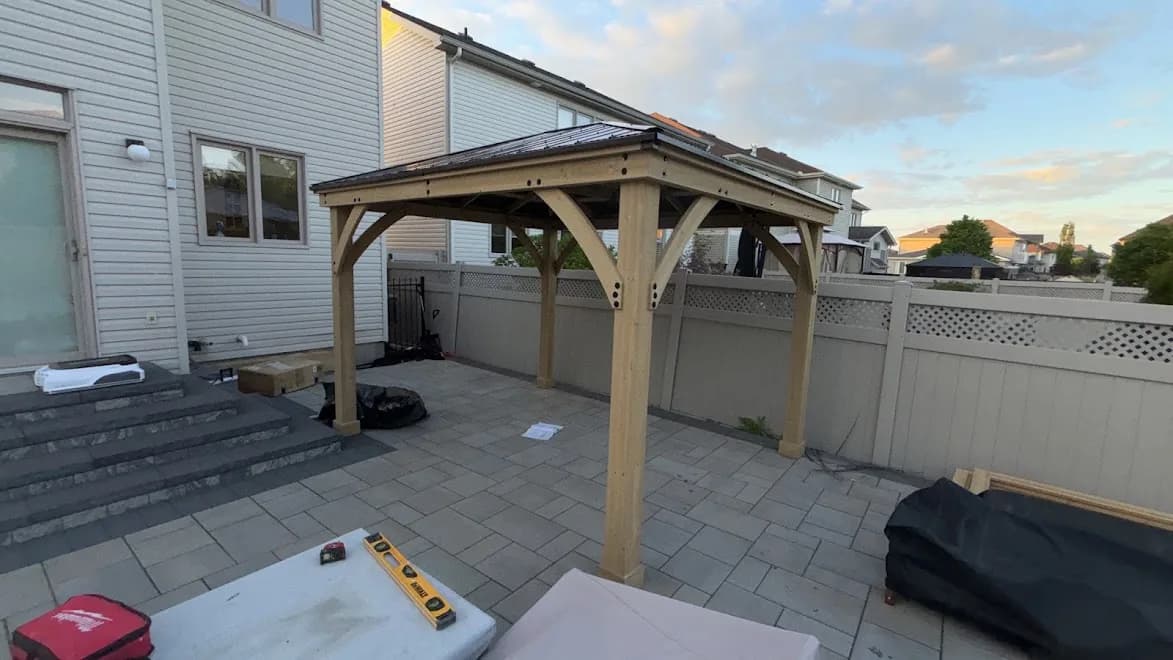
- A one-storey detached storage shed of 15 square metres or less, ancillary to the house and without plumbing, does not need one. An accessory building over 10 square metres, such as a gazebo or detached garage, does.
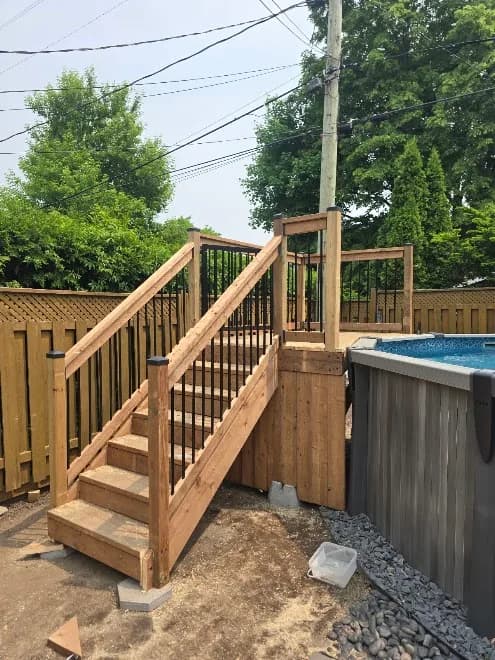
- A deck needs one if it is attached or adjacent to the house and its walking surface is more than 600 mm above the adjacent grade.
- A fence needs no building permit, but still has to comply with the Fence By-law, and a pool enclosure needs its own permit. Designated heritage buildings and properties inside a Heritage District Overlay are not covered by that exemption, and the City asks owners to confirm with a Building Client Service Centre before starting.
The City of Ottawa states that the owner and the builder are equally liable under the Ontario Building Code Act, so a permit missed on a small job is not only the handyman's problem.
Sources, checked 2026-09-18:
Buyer guide
Hiring a handyman in Ottawa
What separates a great handyman from a cheap quote, and the questions worth asking before you sign.
Know the line between handyman and licensed trade
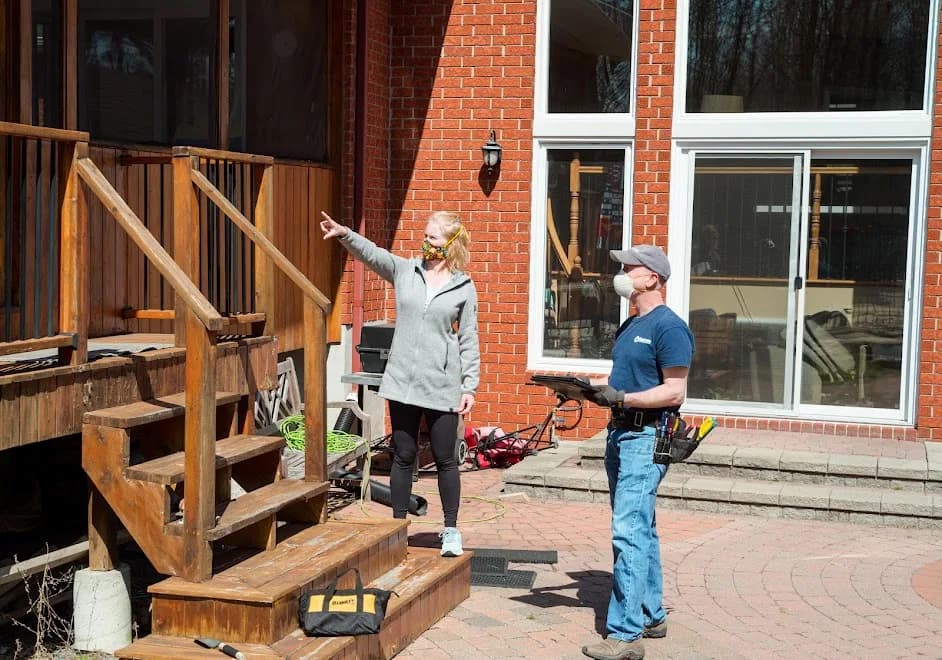
Handymen handle general repairs and small jobs. Electrical, plumbing, and gas work should go to a licensed trade. A trustworthy handyman tells you when a job is over that line.
Ask how they price small jobs
Some charge by the hour, others a half-day minimum or per-task rates. For a list of small jobs, a half-day booking is often better value; ask how they bill.
Bundle the small stuff
Handymen are most economical when you batch several jobs into one visit rather than calling for each. Make a punch list and book it together.
Confirm they carry insurance
Even for small jobs, a handyman working in your home should carry liability insurance. Ask before they start, especially for anything involving ladders or water.
Before you hire
What should you check before hiring a handyman in Ottawa?
Some trades in Ontario are compulsory, meaning the work legally requires a Certificate of Qualification whoever performs it. Skilled Trades Ontario names those trades and runs the public register where a certificate can be checked, which is the boundary a general handyman may not cross.
Ottawa Service Directory is a listings site, not a regulator: we publish what a business reports about itself, so confirm what applies to your job with the source below and with the business before work starts.
Source: Skilled Trades Ontario: work in the compulsory trades. Checked 2026-08-24. Rules and thresholds change, so confirm before work starts.
 FeaturedClaimed