A compulsory trade
Hiring a plumber in Ontario: the certificate you can look up
Plumber is one of Ontario's compulsory trades, which means the person doing the work has to hold a certificate to do it legally and that certificate is on a public register. In Ottawa there is a second thing worth knowing before a basement job is quoted: the City pays part of the cost of the devices that stop sewage coming back up.
Compulsory means what it says
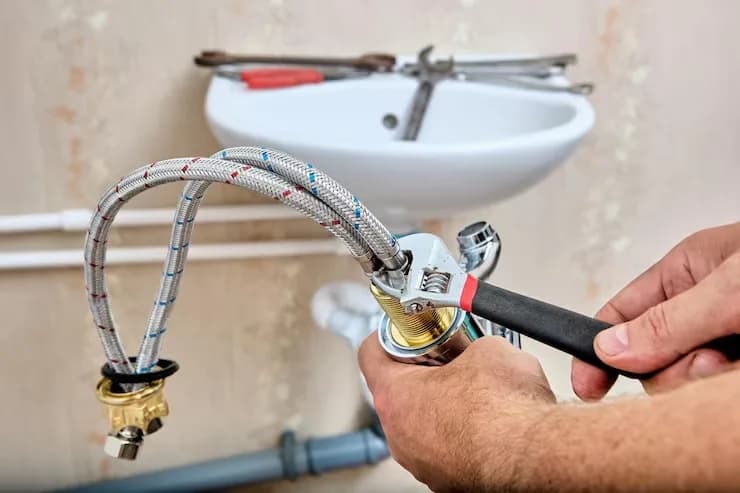
Skilled Trades Ontario lists plumber among the compulsory trades, alongside electrician, steamfitter and others. Working in a compulsory trade requires a Certificate of Qualification, a Provisional Certificate of Qualification, or a registered training agreement as an apprentice.
Those are checkable. Skilled Trades Ontario publishes a Public Register precisely so a member of the public can confirm that a skilled trades professional or apprentice can legally work in a compulsory trade. Ask for the name on the certificate rather than the company name, because the register lists people.
One exemption is worth knowing if you are quoted by someone from across the river. Holders of an equivalent Certificate of Qualification issued by Quebec, and registered Quebec apprentices, are exempt from the Ontario requirement in plumbing and six other trades, and their information does not appear on the Ontario register.
The City pays toward protective plumbing
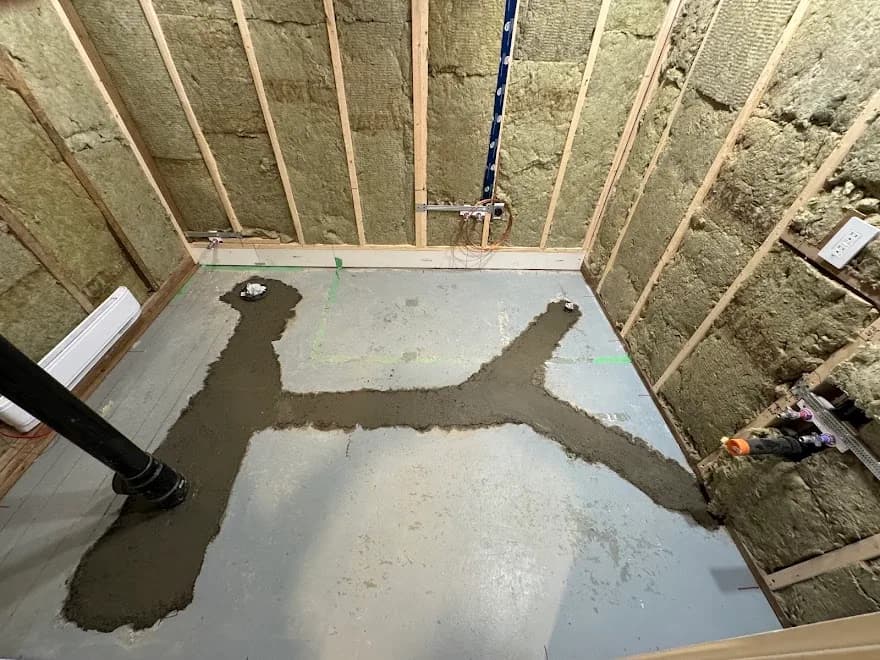
Ottawa's Residential Protective Plumbing program provides financial assistance to qualified property owners for installing protective plumbing devices: indoor sanitary backwater valves, storm backwater valves, outdoor storm backwater valves, and primary or secondary sump pumps with battery backup, with a higher rebate where a sump pit has to be built.
Because the rebate amounts change, read them from the City's own page rather than from a quote. What matters at the quoting stage is that the work qualifies, so ask the plumber which program line a proposed device falls under before the job is booked rather than after it is paid for.
Which approvals a plumbing job needs
- Building permit: required where the work is an installation, erection, extension, or material alteration or repair. Moving fixtures and opening walls sits inside that language.
- Electrical: not the City's. It states that it does not regulate electrical installations and that no building permit is required for work that is exclusively electrical. A sump pump circuit is work for a Licensed Electrical Contractor, who files the notification with the Electrical Safety Authority.
- Gas: neither. Work on a gas water heater or a gas line is for a certified technician working for a contractor registered with the Technical Standards and Safety Authority.
One bathroom can therefore involve three different authorities. A quote that mentions only one has either scoped the job narrowly or not thought about it.
For a bathroom renovation in Ottawa, the kitchen and bath renovators have a page of their own, with the permit and trade checks that job needs.
What the contract has to say
Ontario's consumer protection rules apply to hiring a contractor. Where a written estimate is included in the contract, the final price cannot be more than ten per cent above it unless you agree to a new price and sign a change to the contract.
If you sign in your home, that is a direct agreement and you can cancel within ten days of receiving a written copy, for any reason. Keep the copy. The cancellation clock starts when you get it, not when you sign.
How much does a plumber cost in Ottawa?
Ask how the plumber bills before you compare two prices. The Ottawa companies that publish their prices use two models: an hourly rate plus parts, with a fee to come out, or one fixed price for the whole job, agreed before the work starts.
Hourly work can carry a minimum. One Ottawa price list says hourly billers in the city often charge at least an hour, so a short repair can cost a full one. On a fixed-price job, the quote holds unless the scope of the work changes.
After hours, the premium comes in two forms. One Ottawa price list puts emergency work at 50 to 100 per cent above standard rates; another company keeps its standard repair prices and adds a single dispatch fee after hours. A quote only compares with another once you know which one you are getting.
No water in a cold snap: is the frozen pipe the City's or yours?
The City of Ottawa owns the water service pipe from the watermain to the water shut-off valve. From that valve into the house, the pipe belongs to the property owner, and so do its repairs. If the taps stop running in a cold snap, call 3-1-1 before booking a plumber: City crews thaw frozen service pipes, and the bill depends on which side froze.
Thawing costs nothing where the pipe froze on municipal property. Where it froze on private property, the City charges the cost of the work plus 15 per cent, every time it thaws that service. Homes on a private street, condominium corporations included, cannot use the City's inspection or thawing service.
When you can tell the frozen section is inside the house, the City suggests opening the cold tap nearest to it and warming the pipe with an electric heating pad or a hair dryer, never an open flame. For a service at risk of freezing, its advice is to find out why, because the pipe may not have been installed deep enough.
A letter from the City telling you to run your water means your service is on its at-risk list. Leave a steady stream of cold water at least the width of a drinking straw until the frost is out of the ground at the end of April, and keep rooms with water pipes above 8 °C. Who pays for that water follows the same split.
If City records put the freeze point on your property, you do; if it is on the City's side and you received the written notice, your bill is based on past use.
Water coming up through the basement drain: call 3-1-1 first
Report a sewer backup to the City through 3-1-1. City staff are on duty at all times, and someone 18 or older has to be home to meet them. Clear at least a metre around the sewer clean-out, usually in the basement floor at the front of the house near the water meter, and leave its caps closed.
To tell sewage from groundwater, the City suggests running a sink or flushing a toilet and watching the floor drain. If water comes up, the drain line is backing up; if nothing comes up, the problem is likely groundwater. Until it is sorted out, hold off on anything that uses water, since whatever goes down a drain may end up in the basement.
City staff inspect the sewer main near the house first and repair it if that is the fault. If the problem is in the home's own drain system, the City tells the owner to call a plumber. The sanitary and storm laterals, the pipes between the house and the main, split at the property line: the City owns the street side and the owner owns the house side.
Who pays for a lateral repair is decided only after City staff have reviewed the case.
Call your insurer as well. The City says the insurer typically submits any claim to the City on your behalf, and it asks you to photograph the damage and keep receipts for emergency and repair work.
What a plumber costs in Ottawa: hourly rates, call-out fees and fixed prices, publisher by publisher
Sources, checked 2026-09-18 unless marked:
 Claimed