The Ottawa Fence By-law
Fence heights and rules in Ottawa, from the by-law itself
A fence needs no building permit in Ottawa, which is exactly why the rules get missed. The Fence By-law still sets how high it may be, which side faces out, what it may be made of, and where it may not go at all.
All of it is checkable before a post hole is dug. Designated heritage buildings and properties inside a Heritage District Overlay are not covered by that exemption, and the City asks owners to confirm with a Building Client Service Centre before starting.
The heights, by yard
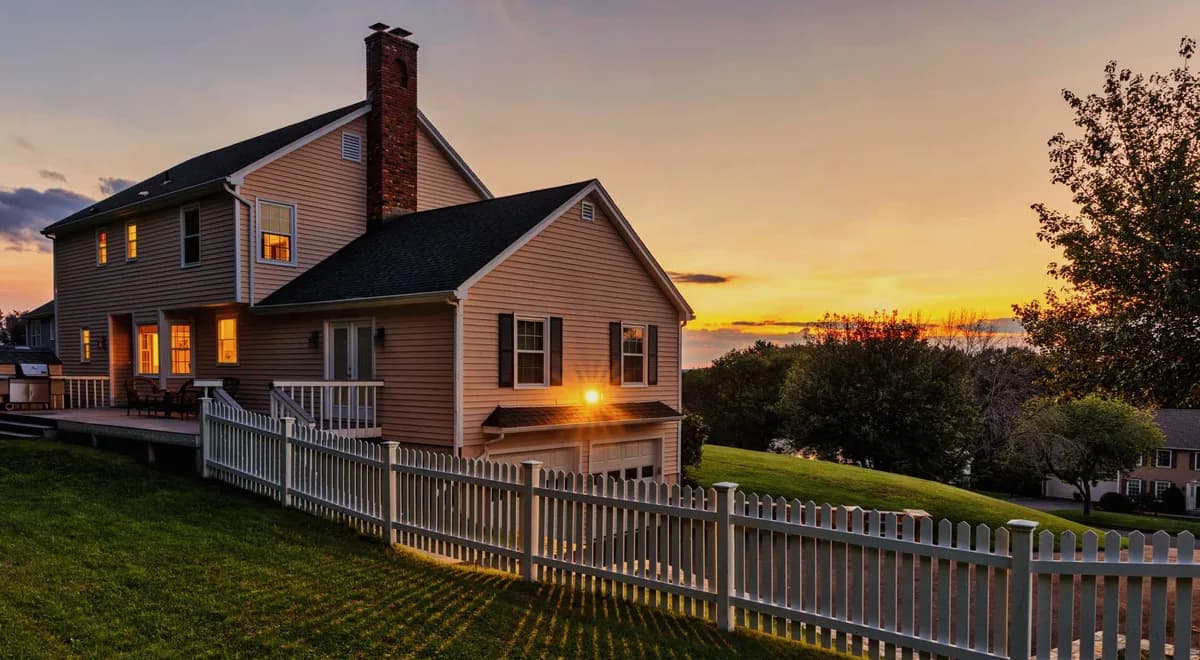
- One metre in a front yard, which is the strip between the front lot line and the nearest point of the house.
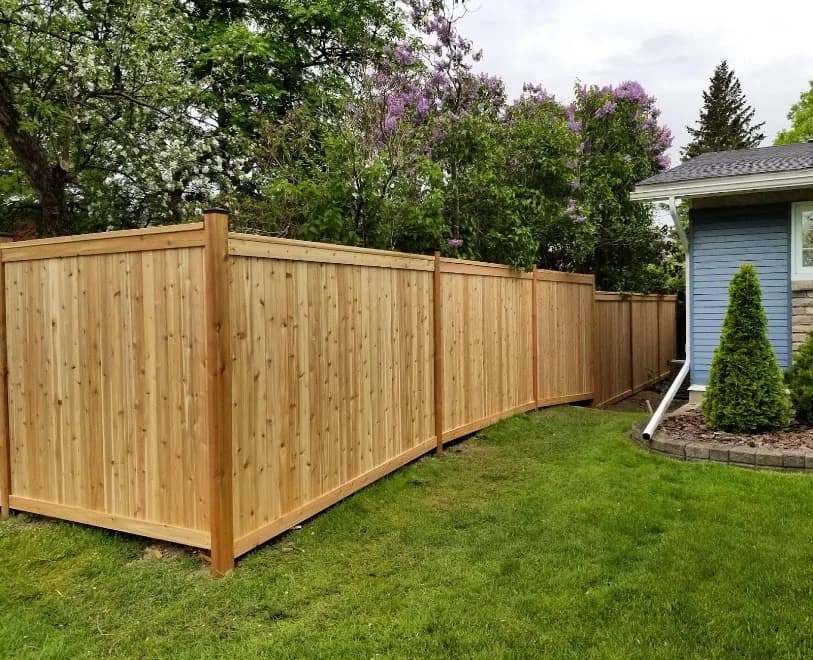
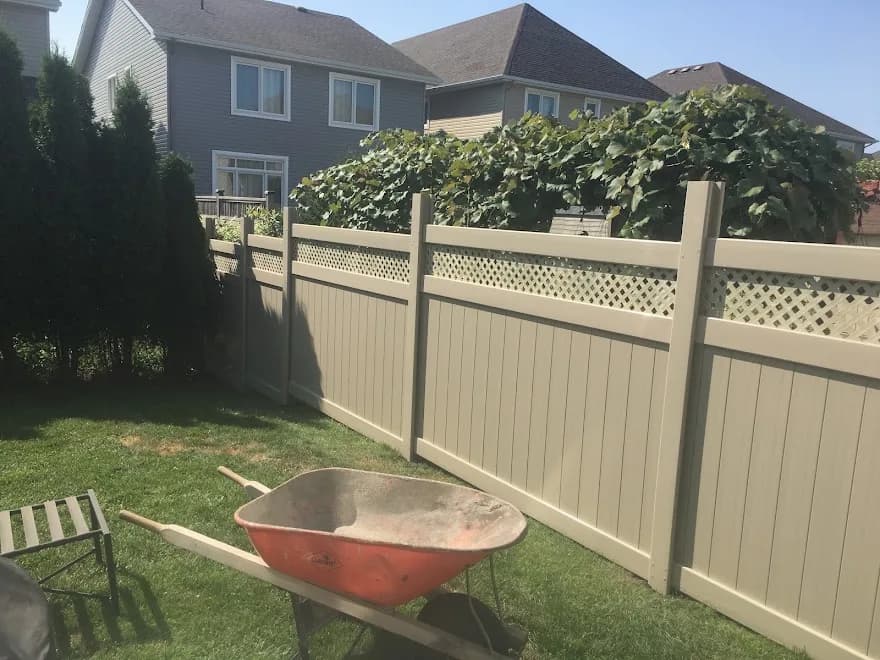
- Two hundred and thirteen centimetres, about seven feet, in any yard other than a front yard.
- Three metres on non-residential property.
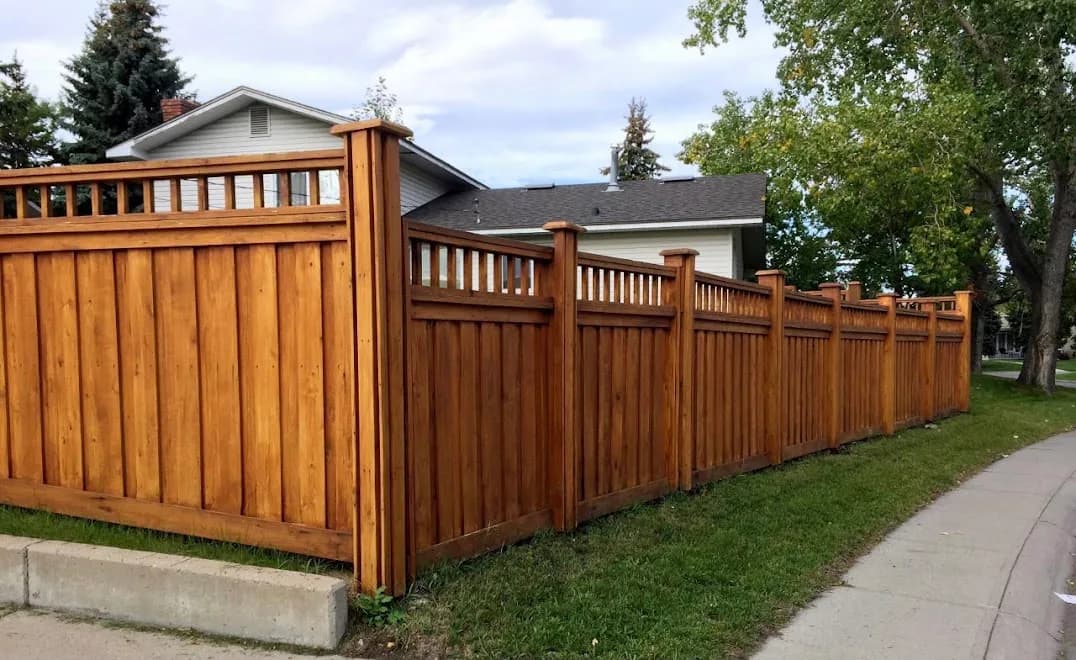
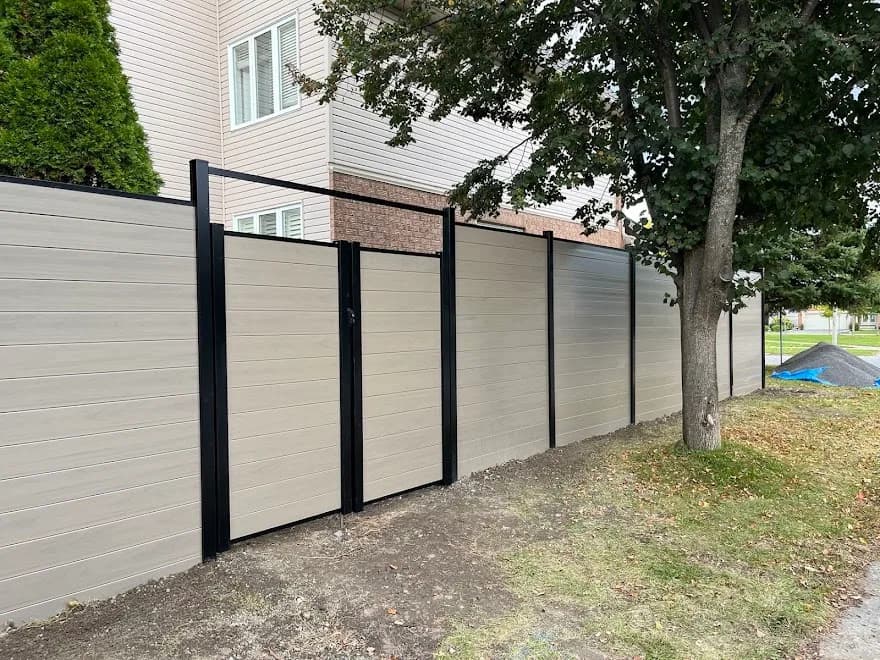
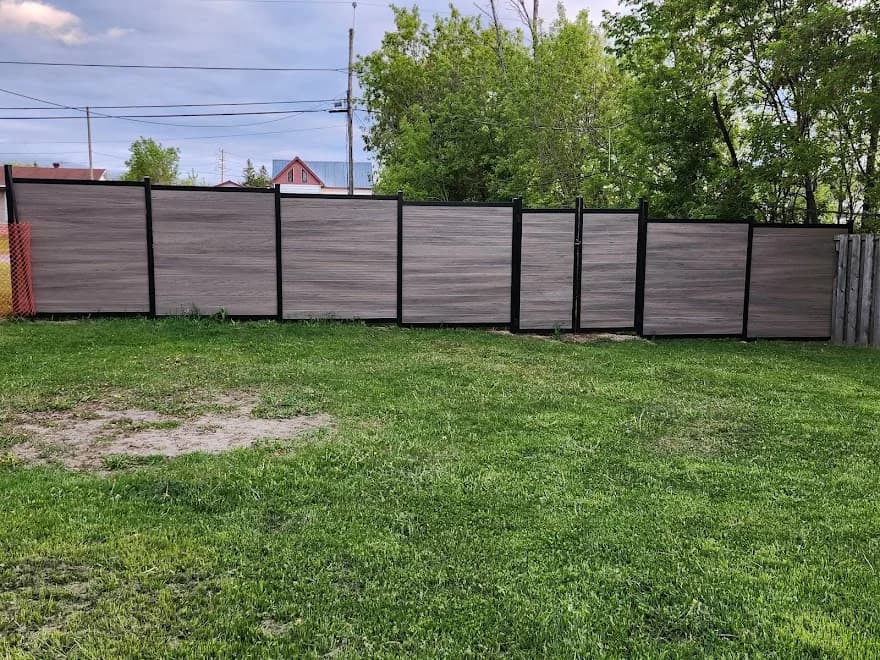
Three things may exceed those heights in side and rear yards: gates by up to 30 cm, archways forming part of an entrance up to 250 cm, and decorative caps on structural posts by up to 15 cm.
Height is measured from the grade at the base of the fence, and where the two sides sit at different levels it is measured from the higher one, which is the rule that catches a fence at the top of a slope.
The corners where the limit drops to 75 cm
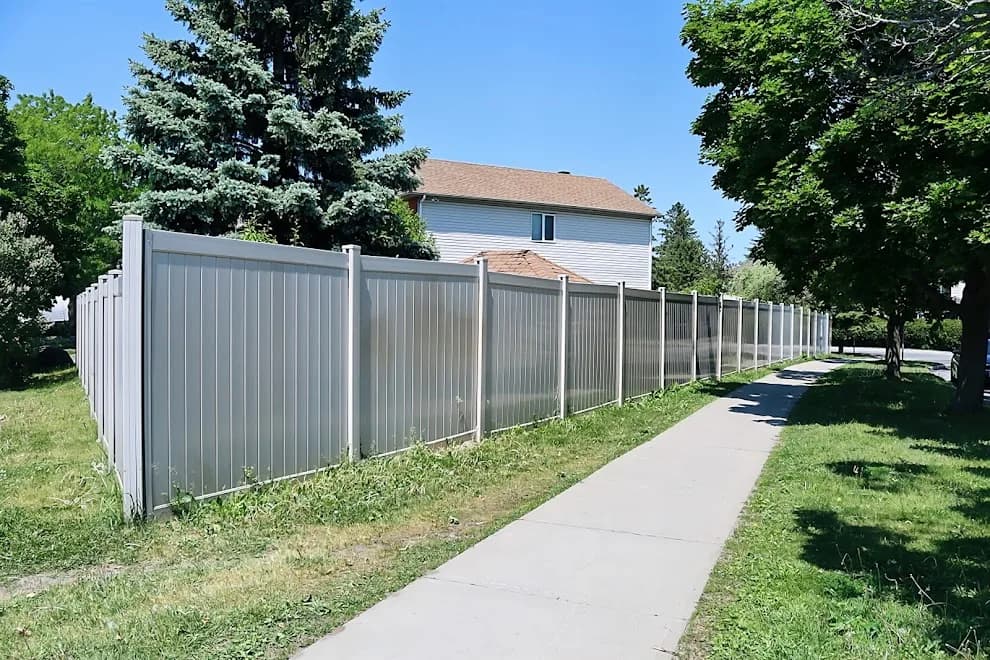
On a corner lot, nothing over 75 cm may stand inside the visibility triangle formed by measuring three metres along the lot lines from the intersection. The same 75 cm limit applies within the triangle formed by measuring two metres along the lot line and the driveway, where a driveway meets the street.
That second one applies to every lot, not only corner lots. It is the most commonly broken part of the by-law, because it is the spot where a homeowner most wants privacy from the road.
The good neighbour rule, and what a fence may not be made of
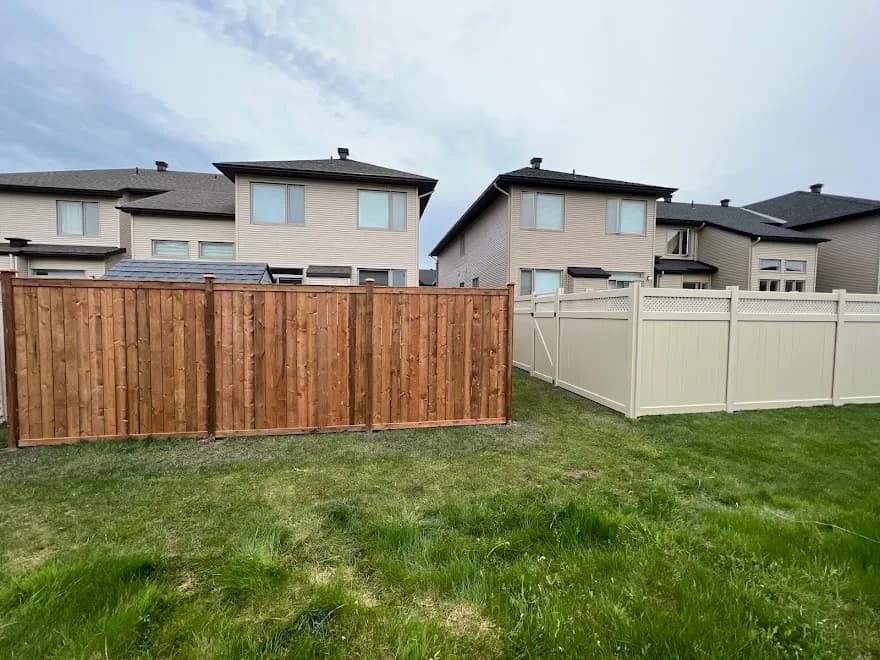
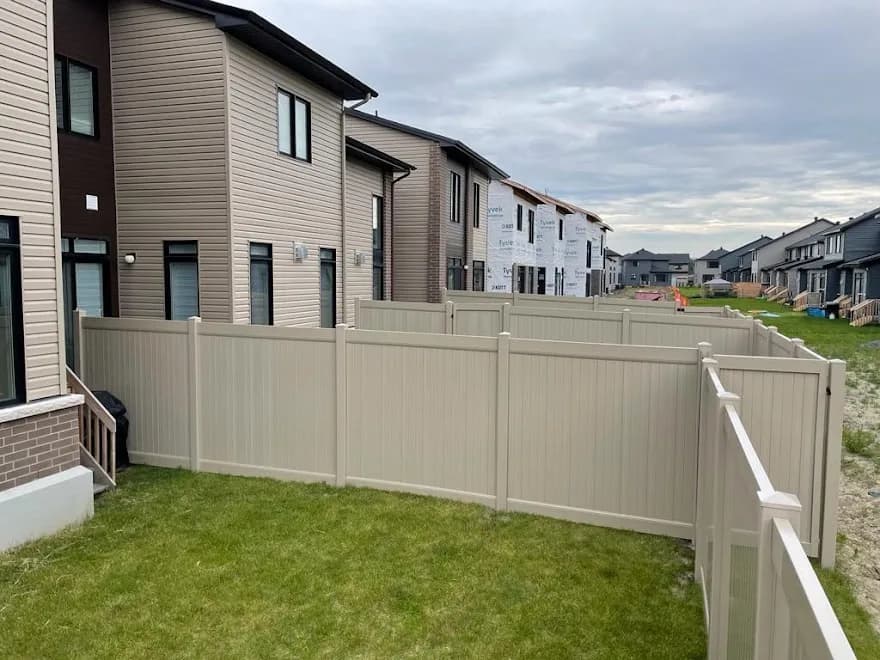
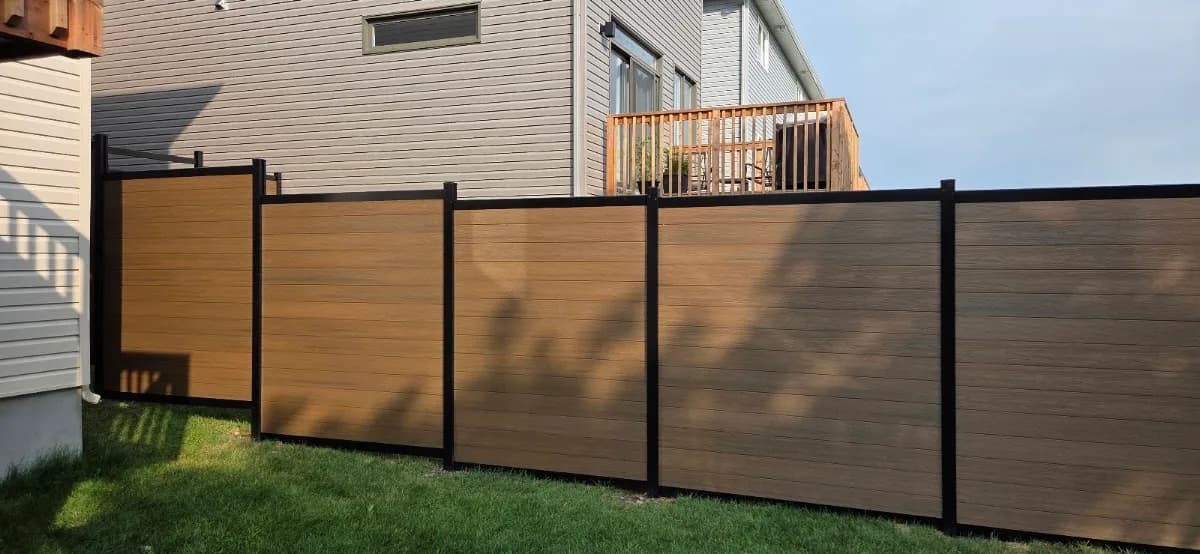
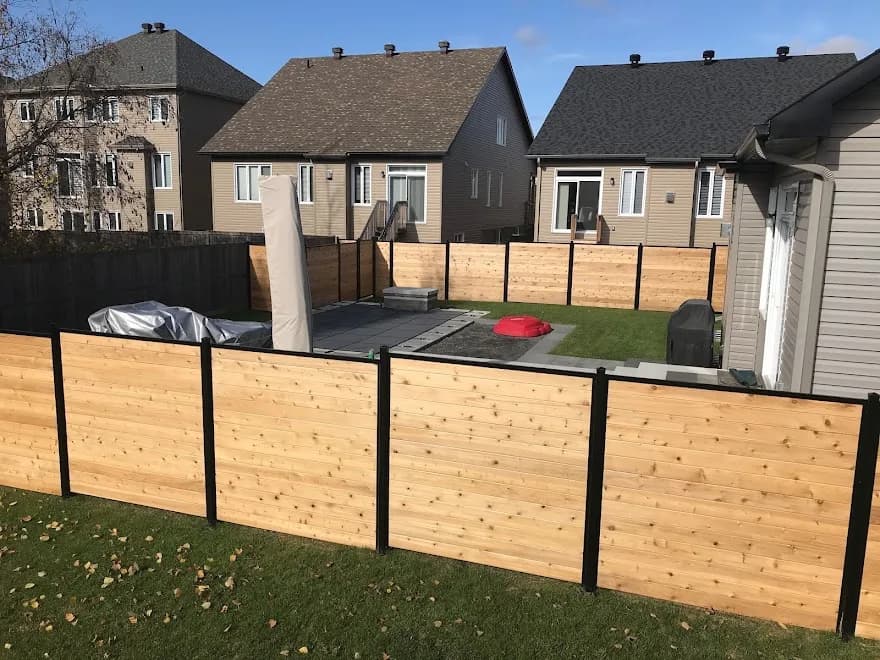
Section 15 requires a fence to be constructed and finished so that its finished side faces the public street and the neighbouring properties. The by-law defines that as either both sides looking the same, or the side facing away from the owner being free of visible structural components such as posts. The City calls it a good neighbour policy.
On residential property a fence may not be built wholly or partly of barbed wire, chicken wire or other barbed or sharp material, and may not contain a device for projecting an electric current. A chain link fence on residential property, or on the lot line of a non-residential property abutting residential, has to be vinyl or powder coated.
No fence may be erected on City property, including the road allowance.
Two things that change the answer
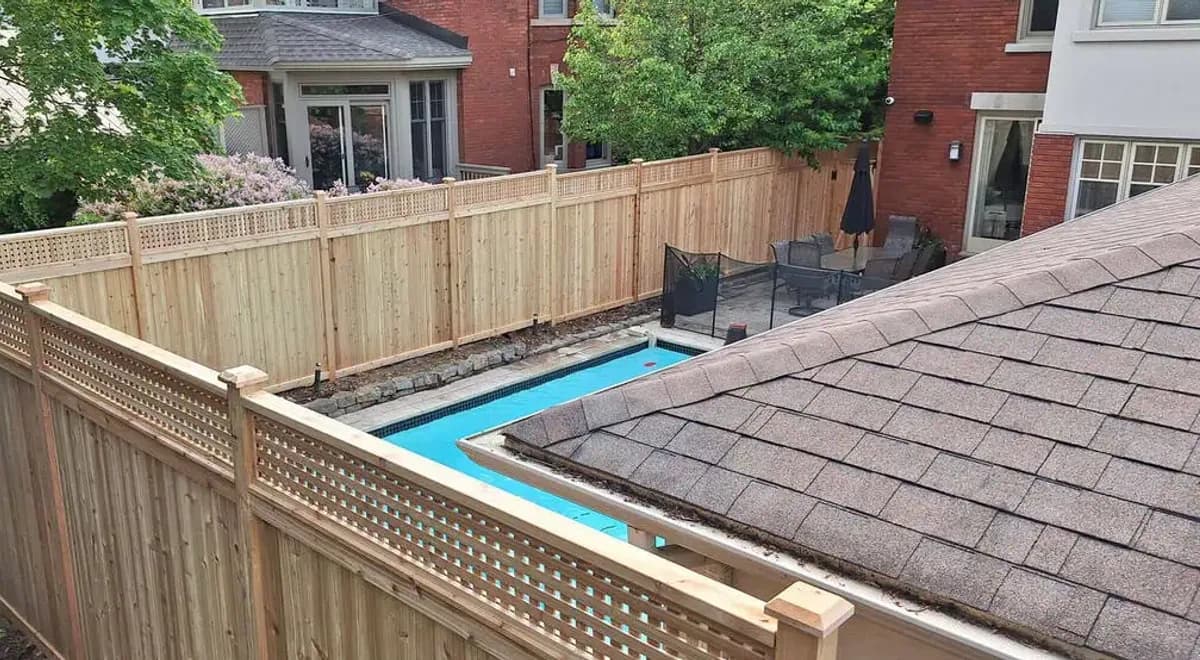
If the fence will act as a pool enclosure, a pool enclosure permit is required and the Pool Enclosure By-law takes over. Section 13 also makes it an offence to build a fence in a way that renders an existing pool enclosure non-conforming, so a replacement run along a pool side is not a like-for-like swap.
Posts go in the ground, so a locate comes first. Requesting one through Ontario One Call is free and required before digging, and infrastructure owners have five business days to complete a locate for a single address. That is the lead time to build into a start date.
Ottawa's fence bylaw section by section, with the City-owned strip at the front of the lot and who pays for a fence on the line
Sources, checked 2026-09-18:
Before you hire
What should you check before hiring a fence company in Ottawa?
Fence heights on residential property in Ottawa are set by the City's Fence By-law, which differs between a front yard and the rest of a lot, and a fence enclosing a pool falls under separate pool enclosure rules.
Ottawa Service Directory is a listings site, not a regulator: we publish what a business reports about itself, so confirm what applies to your job with the source below and with the business before work starts.
Source: City of Ottawa Fence By-law 2003-462. Checked 2026-08-24. Rules and thresholds change, so confirm before work starts.