Driveways, slabs and permits
Concrete and masonry in Ottawa: the two permits people miss
A slab or a driveway feels like work that needs no paperwork. In Ottawa two approvals commonly apply, and neither is the one people expect. One is for the driveway where it meets the road. The other is the locate that has to happen before anything is dug.
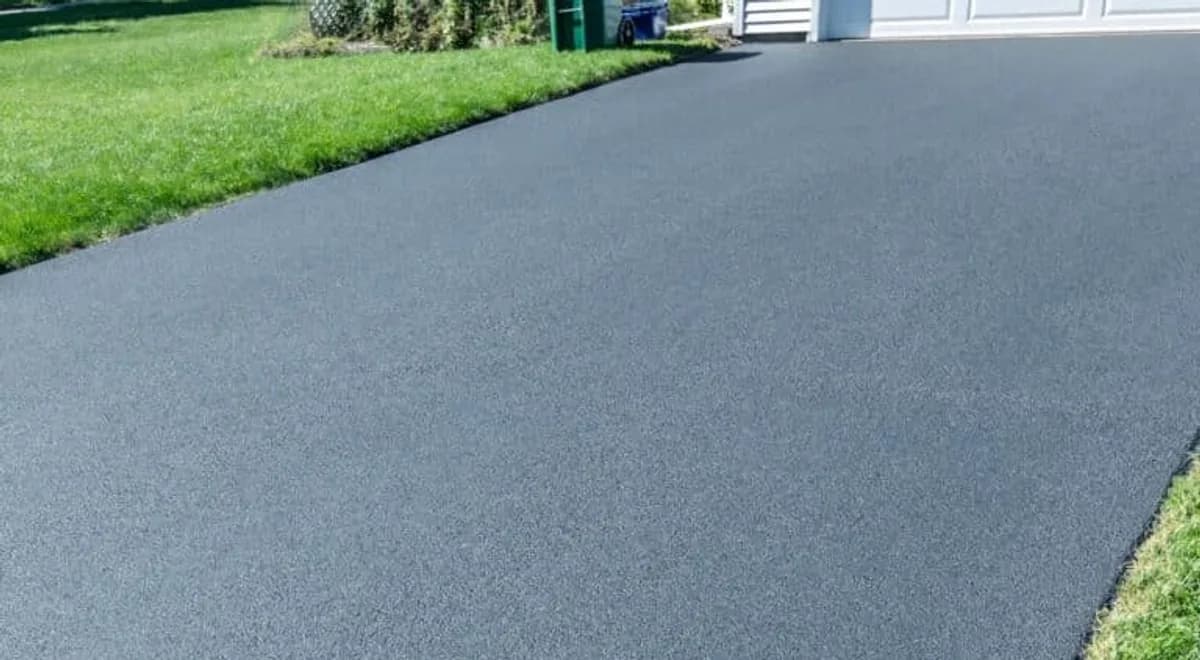
A driveway needs a private approach permit, not a building permit
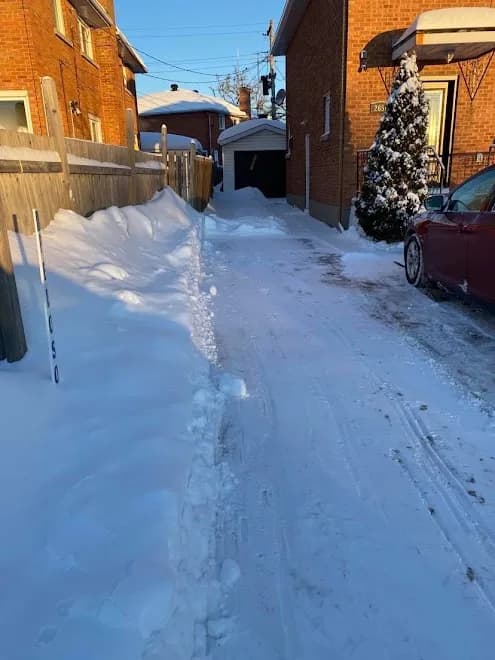
The City states that a private approach permit is required to create, widen or close a driveway, and that a building permit is not required for it. The private approach permit cannot be issued where the application contravenes the Private Approach By-law or any other City by-law.
Zoning applies as well. Private approaches have to lead to parking areas that conform to the Zoning By-law, and front yard parking prohibitions can affect what is allowed. A Development Information Officer answers that at 613-580-2424 extension 23434 or through 3-1-1.
One more check the City raises and most people never think of: the deed of transfer for your property may carry restrictions of its own, particularly in a condominium, a cooperative or a multi-residential development.
The locate comes before the first cut
Requesting a locate through Ontario One Call is free and required by law before digging begins, under the Ontario Underground Infrastructure Notification System Act, 2012. Infrastructure owners have five business days to complete a locate for a single civic address and ten business days for an advanced request.
That is the real lead time on a spring driveway or a footing for a porch. The request is free; the delay is the cost, and it is only a cost if nobody asked for it in time.
When a structure crosses the permit threshold
- Under the Building Code Act, a building permit is required for constructing a new building, an addition, or altering any building or structure with a building area over 10 square metres.
- An accessory building over 10 square metres, such as a detached garage or a gazebo on a new slab, needs one. A one-storey detached storage shed of 15 square metres or less, ancillary to the house and without plumbing, does not.
- A deck on piers needs a permit if it is attached or adjacent to the house and its walking surface is more than 600 mm above the adjacent grade, and the foundation inspection happens on in-situ piers and pads before backfill.
- A fence needs no building permit but must comply with the Fence By-law, and nothing may be erected on City property including the road allowance. Designated heritage buildings and properties inside a Heritage District Overlay are not covered by that exemption, and the City asks owners to confirm with a Building Client Service Centre before starting.
Where a permit is required, the City is clear that the owner and the builder are equally liable under the Ontario Building Code Act, and the permit must be posted visibly for the duration of the work.
What to settle in the quote
- Who applies for the private approach permit if the driveway is changing at the road, and whether its cost is inside the price.
- Who requests the locate, and when.
- What happens to the material that comes out, because a demolition load is its own line.
- The estimate, in the contract. A final price cannot be more than ten per cent above a written estimate in the contract unless you agree to a change and sign it.
Sources, checked 2026-09-18:
Buyer guide
Hiring a concrete and masonry contractor in Ottawa
What separates a great concrete and masonry contractor from a cheap quote, and the questions worth asking before you sign.
The base is everything
Concrete cracks and heaves when the base under it is thin or poorly compacted. Ask about the depth of gravel base, compaction, and drainage before you compare prices.
Ask about control joints and reinforcement
Control joints and reinforcement manage where concrete cracks as it cures and moves with frost. A contractor who plans them is building for Ottawa's climate.
Time the pour to the weather
Concrete cures best in warm, above-freezing weather. Ask how the contractor protects a pour from early frost or extreme heat, both of which weaken it.
Sealing extends the life
Sealing a driveway or walkway helps it resist salt and freeze-thaw damage. Ask whether sealing is included and how often it should be redone.
May to October
When should you book a concrete and masonry contractor in Ottawa?
Concrete and mortar cure by chemical reaction, and that reaction slows sharply as the temperature drops toward freezing. Ottawa averages 6.2 °C in April and 13.8 °C in May, with April still dipping to 1.1 °C overnight. Interlock, driveways and masonry are normally scheduled once overnight temperatures are reliably clear of freezing, which is why quotes are taken in late winter for work done from spring onward.
Temperatures are the Environment and Climate Change Canada: Canadian Climate Normals for station OTTAWA CDA, 1991-2020. Checked 2026-09-10. Any single year can run warmer or colder than the normals.
Before you hire
What should you check before hiring a concrete and masonry contractor in Ottawa?
The part of a driveway or walkway that crosses the City road allowance is controlled by the City of Ottawa, which issues access permits for that work and publishes the current process. Ottawa Service Directory is a listings site, not a regulator: we publish what a business reports about itself, so confirm what applies to your job with the source below and with the business before work starts.
Source: City of Ottawa: access permits for driveways and walkways. Checked 2026-08-24. Rules and thresholds change, so confirm before work starts.
 Featured